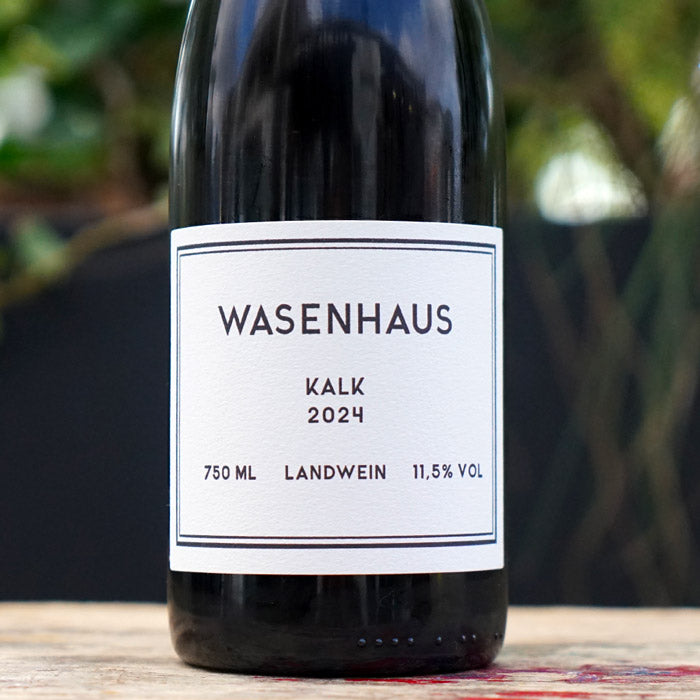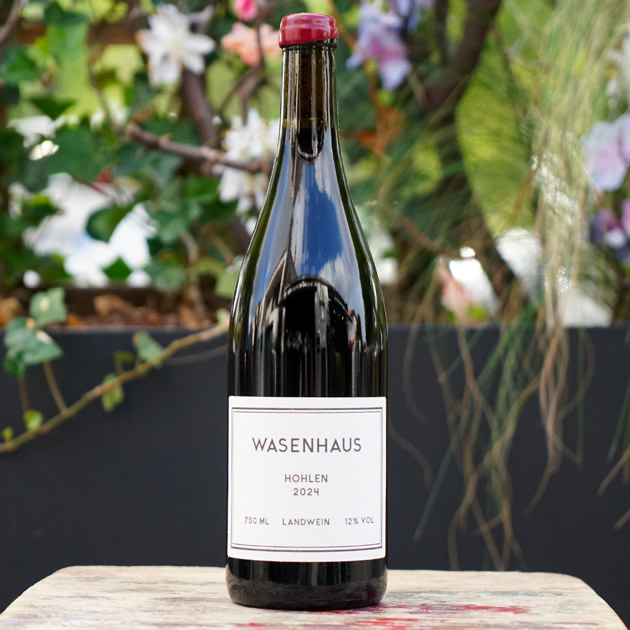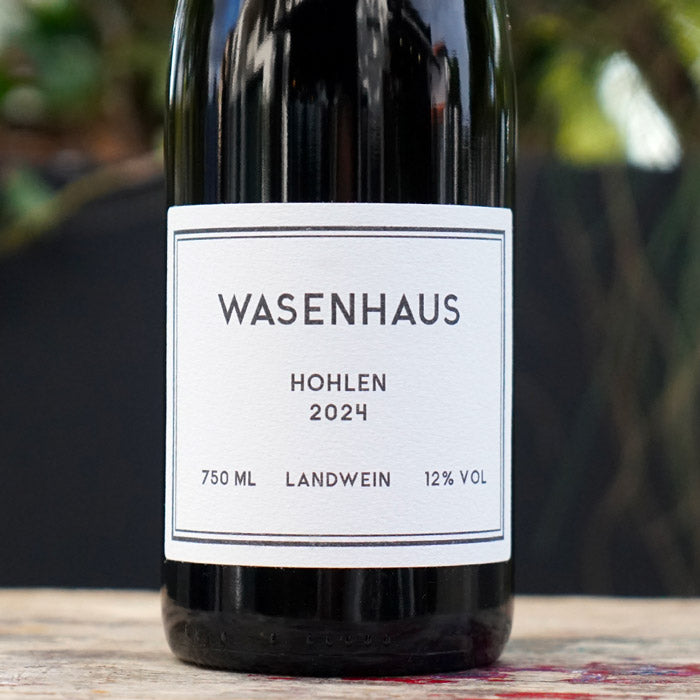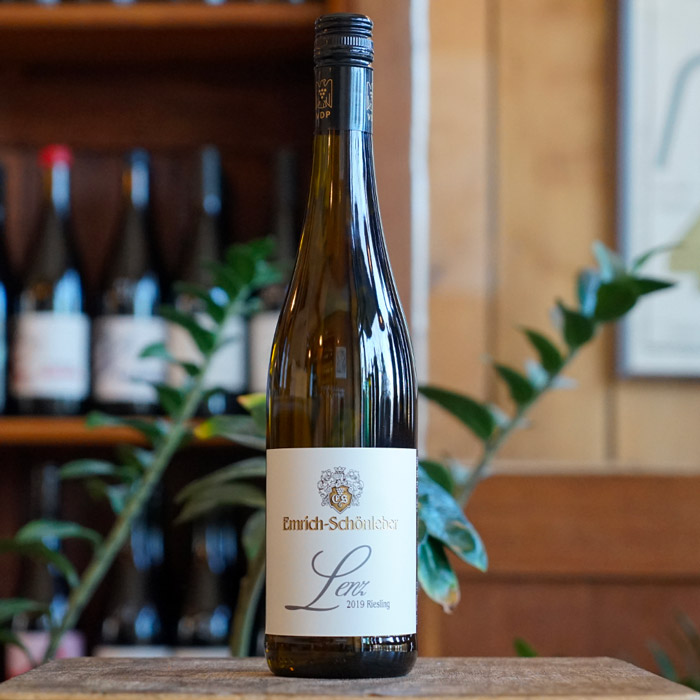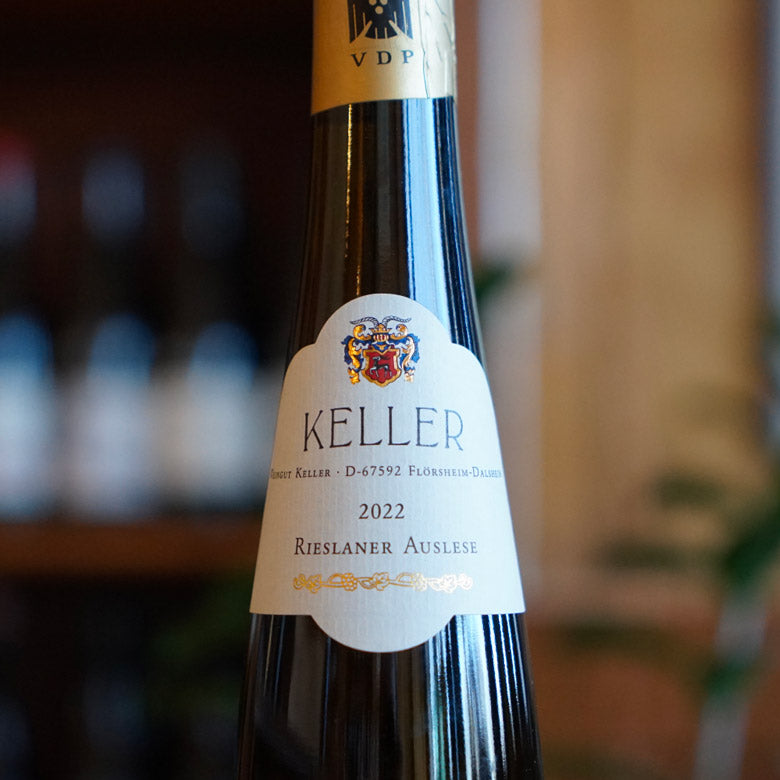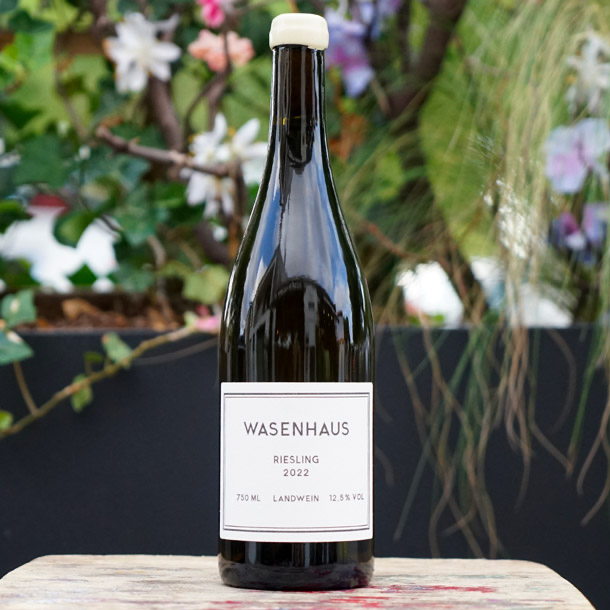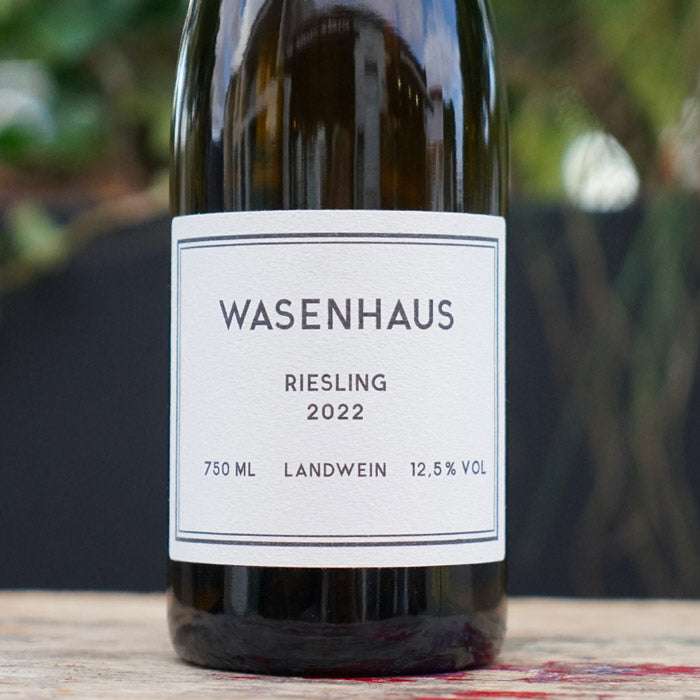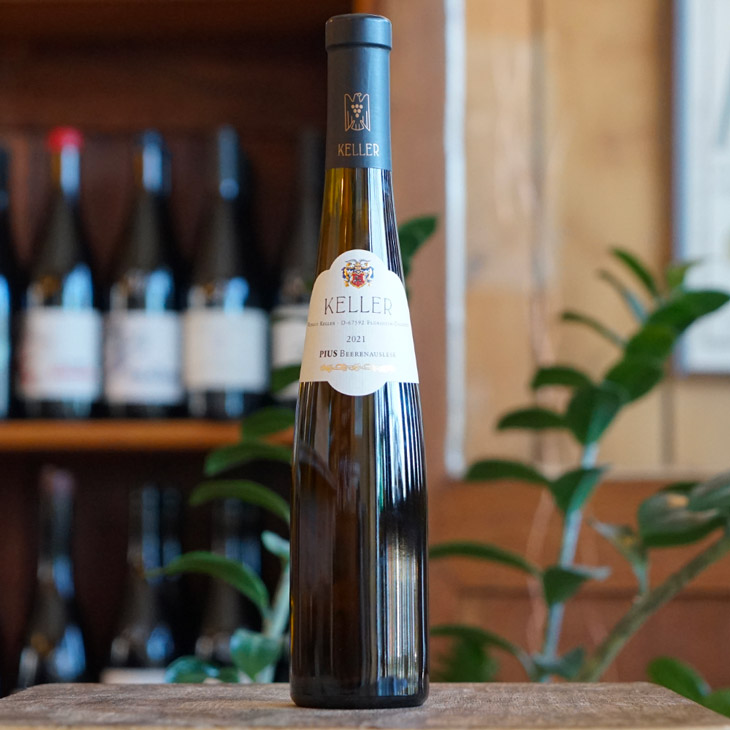
Allemagne
A GREAT EUROPEAN VINEYARD, LONG OVERLOOKED
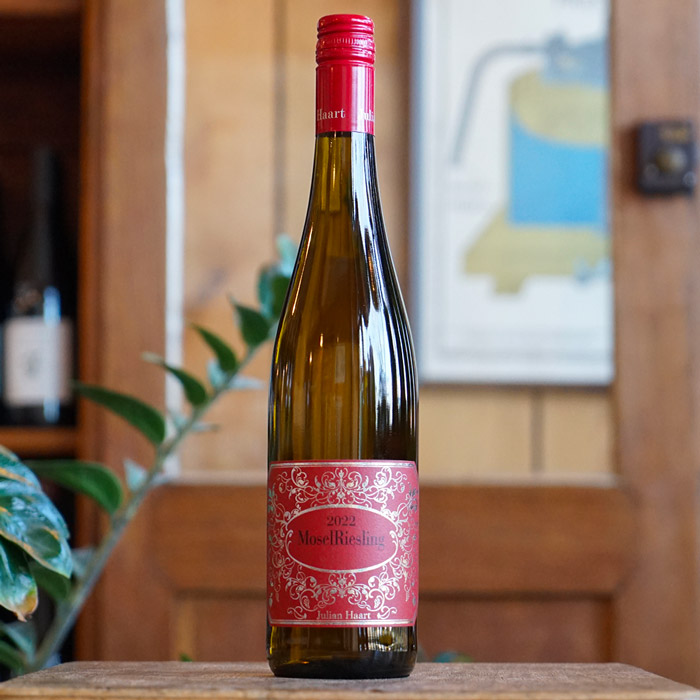
With approximately 103,000 hectares, Germany is one of Europe's great historical wine regions. Primarily located in the western part of the country, along rivers such as the Rhine and the Moselle, it stands out for its precision viticulture, often on steep slopes, where every plot matters.
RIESLING AS THE GUIDING THREAD
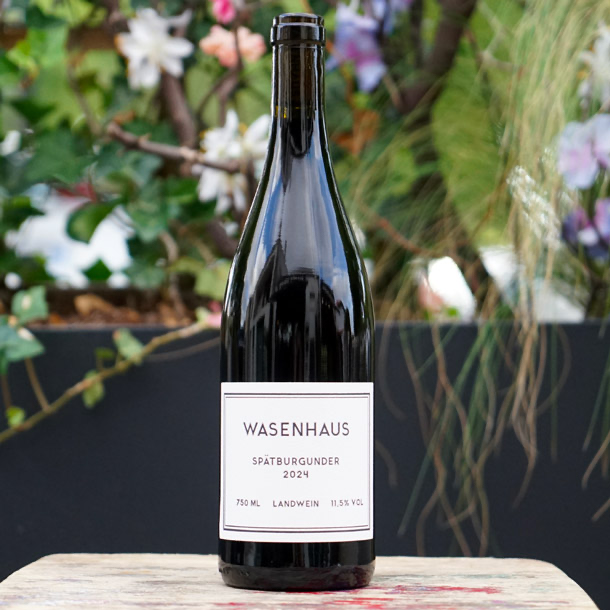
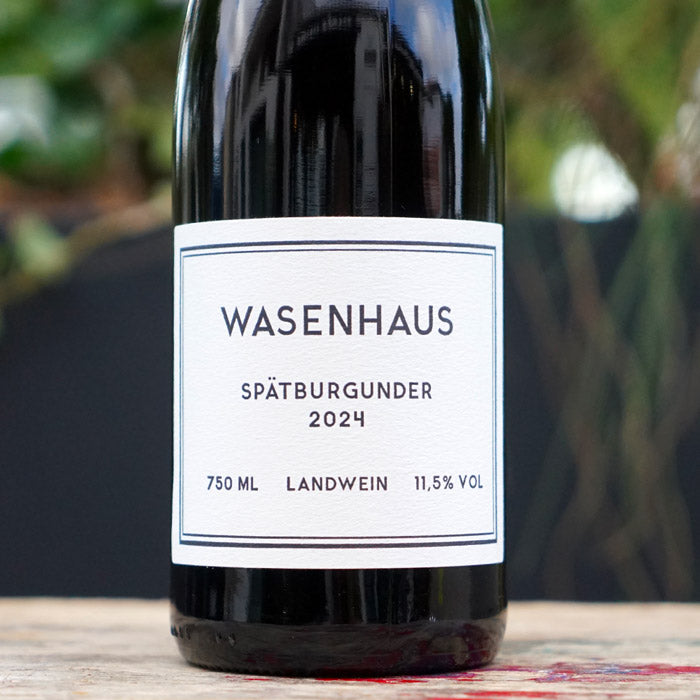
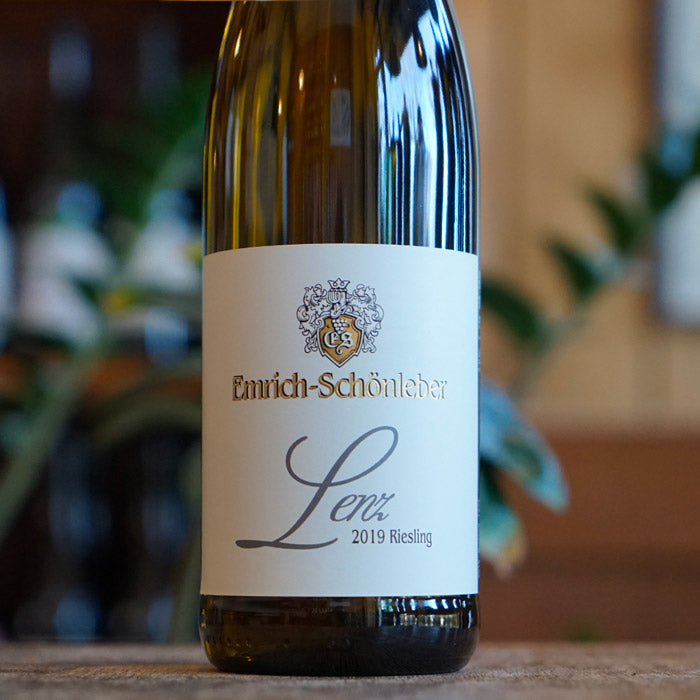
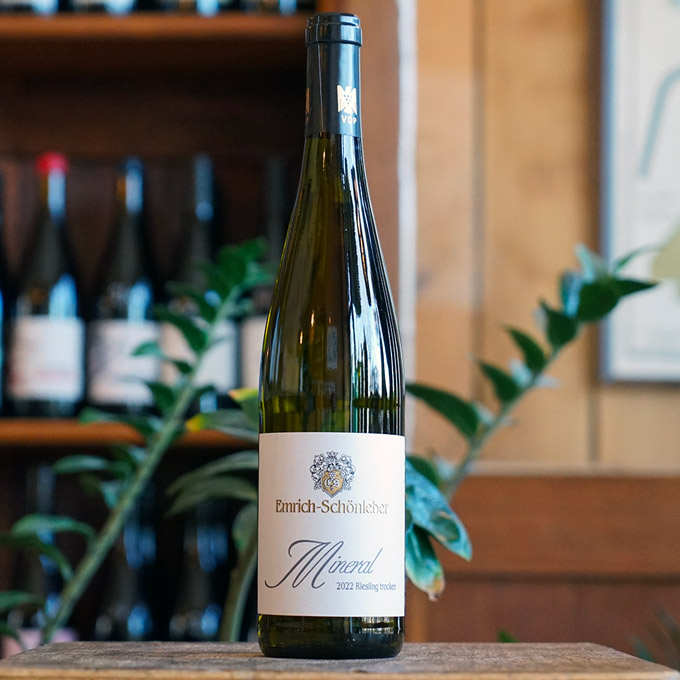
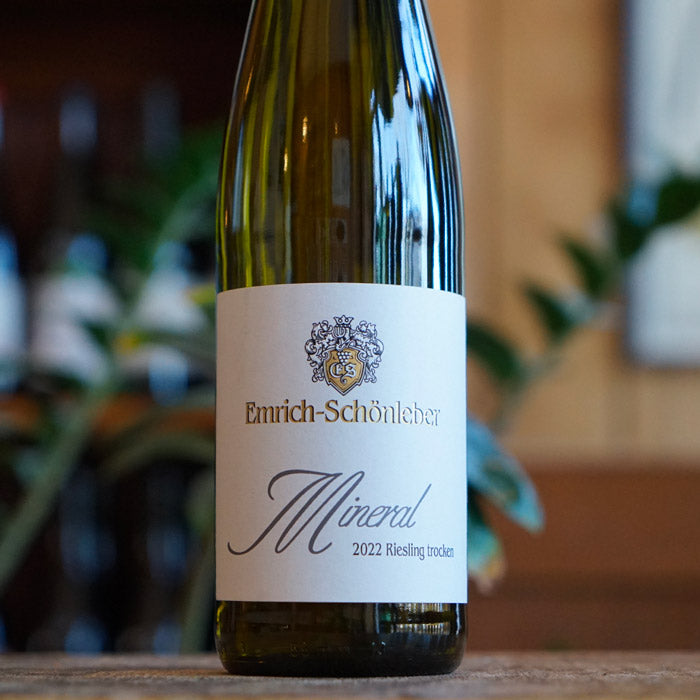
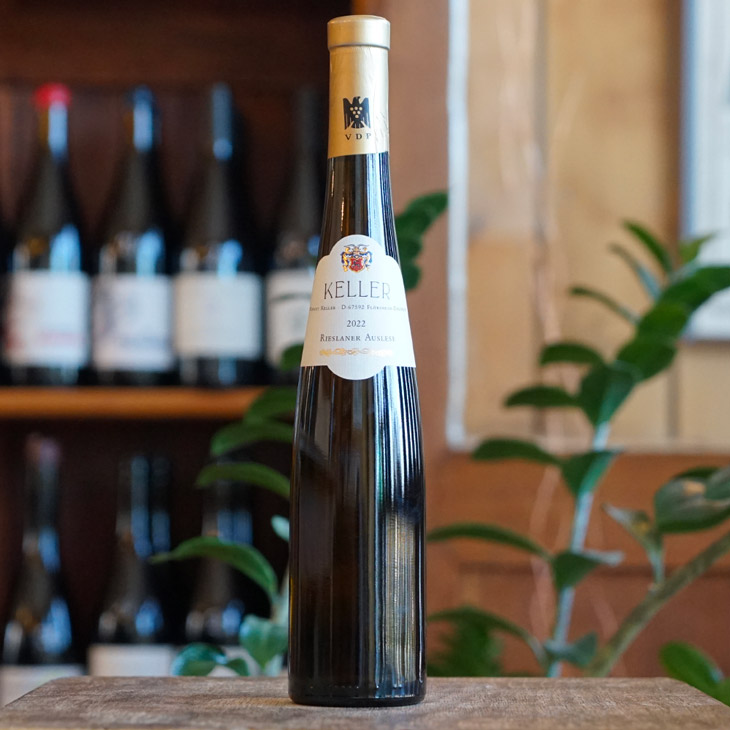
The country's king grape, Riesling alone embodies the diversity of German terroirs. Capable of finely expressing the slightest variations in soil and climate, it produces wines of great tension, often marked by a structuring acidity and remarkable aromatic purity. Alongside it, one also finds Spätburgunder (Pinot Noir), Silvaner, and Müller-Thurgau.
A COOL CLIMATE WITH SLOW RIPENING
Located in a cool continental climate, the German vineyard benefits from moderate summers and long autumns. The rivers play an essential role in regulating temperatures and reflecting light. This configuration allows for slow ripening, promoting aromatic complexity and the precision of the wines.
STEEP AND DEMANDING TERROIRS
The greatest German wines are often born on dizzying slopes, particularly on the slates of the Moselle or the volcanic soils of the Kaiserstuhl. These difficult-to-work terroirs necessitate manual viticulture, but in return offer wines of rare tension and energy.
A CULTURE OF PRECISION AND PURITY
German tradition places major importance on grape analysis and precise vinification. Historically known for wines with residual sugars, Germany is now experiencing a revival with an increasing rise in dry, more accessible and gastronomic wines.
A SCENE IN FULL RENEWAL IN NATURAL WINES
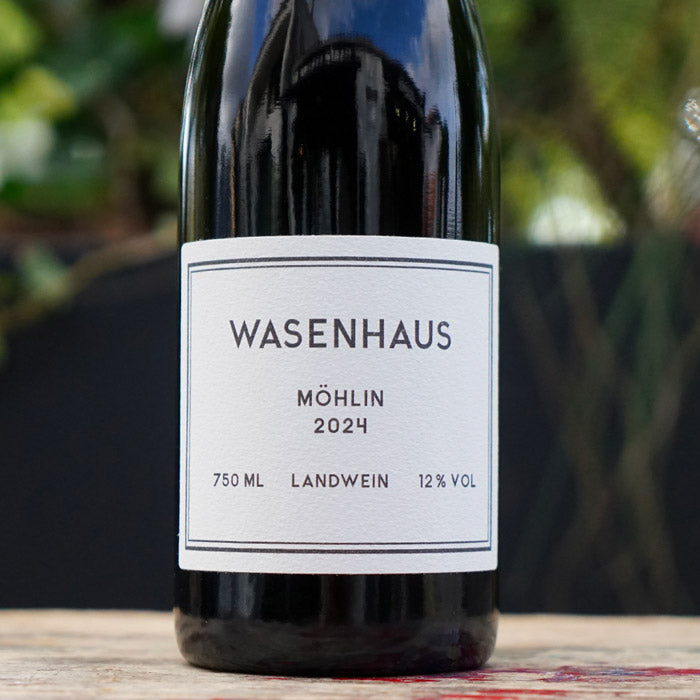
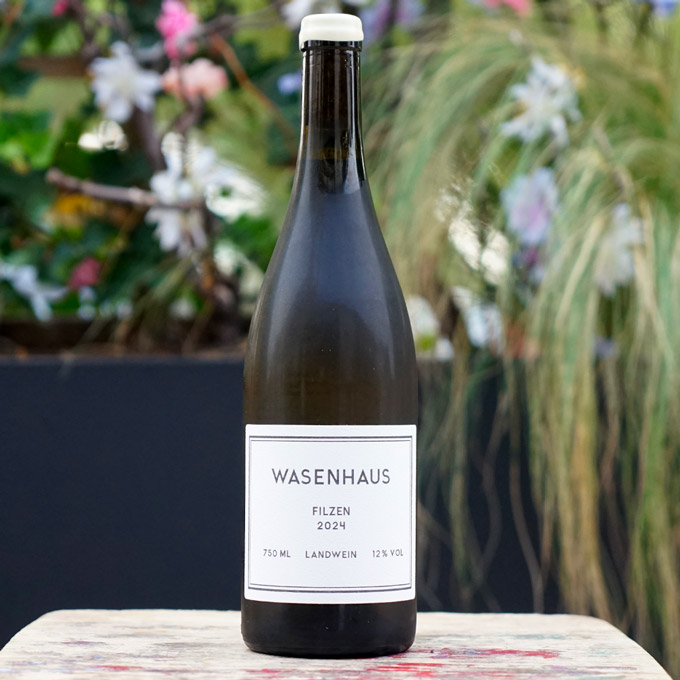
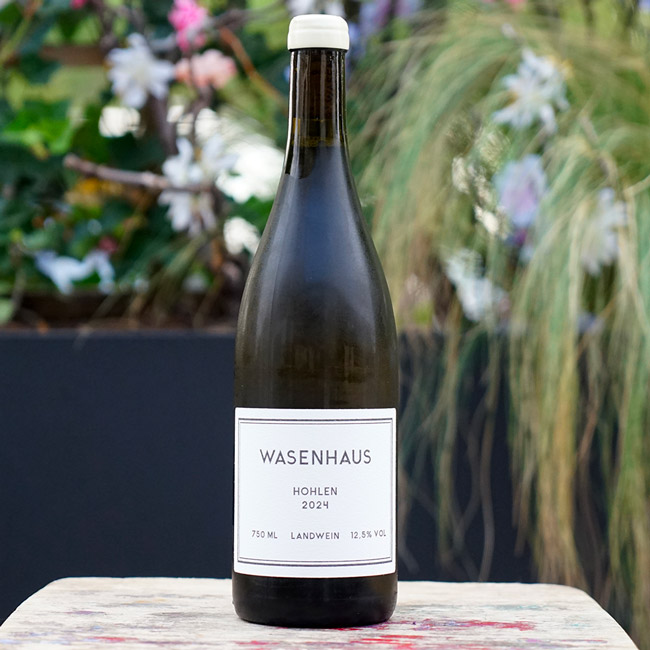
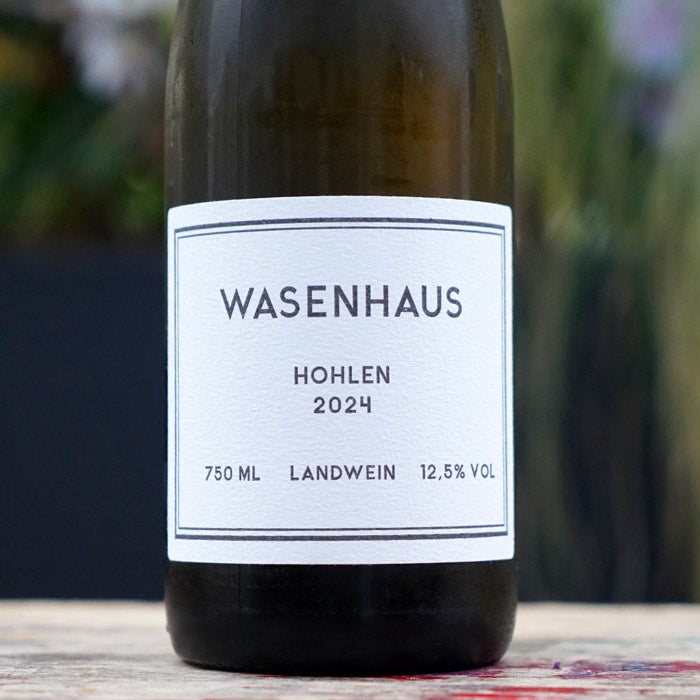
For about fifteen years, a new generation of winemakers has been revisiting the codes. Organic or biodynamic farming, natural fermentations, less interventionist aging: wines without additives are finding an increasingly important place. Regions like Rheinhessen or Pfalz are becoming exciting experimental grounds, where tradition and modernity meet.
WINES OF GREAT ENERGY
What is striking today in German wines is their precision, their tension, and their ability to combine lightness and depth. From crisp whites to delicate reds, the German vineyard offers a contemporary interpretation of wine, where drinkability never excludes complexity.