Alsace wines
A vineyard committed to organic and living wines
With a total area of 15,500 hectares , organic , biodynamic or additive-free wines now represent more than 35% of the production of the Alsatian vineyard. It extends from the North to the South of Alsace, from Strasbourg to Mulhouse.
Emblematic grape varieties and their distribution
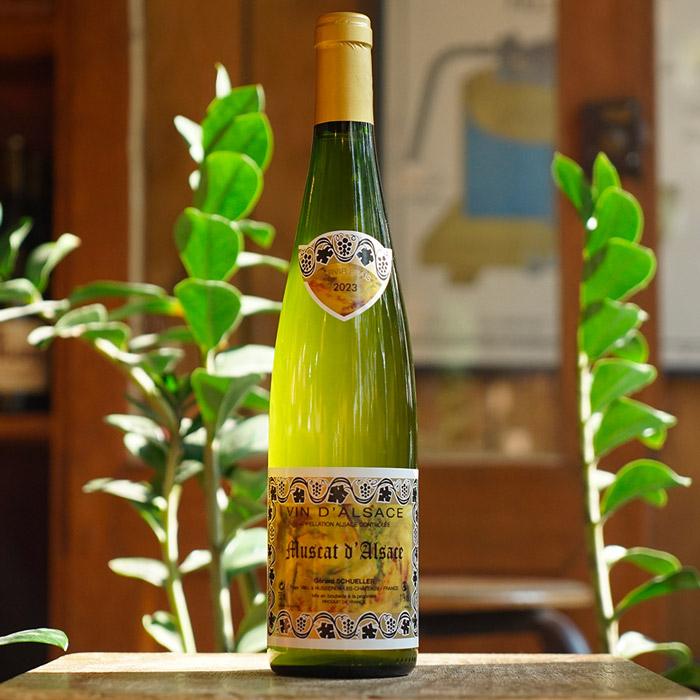
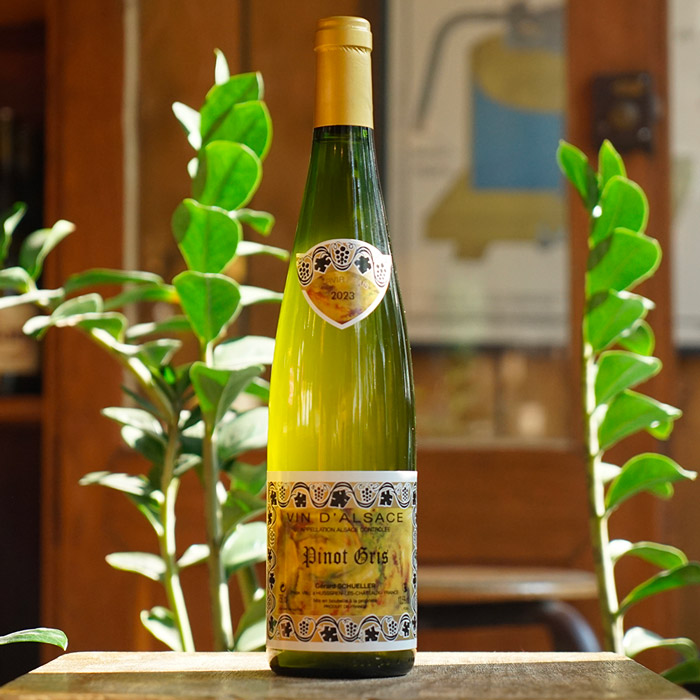
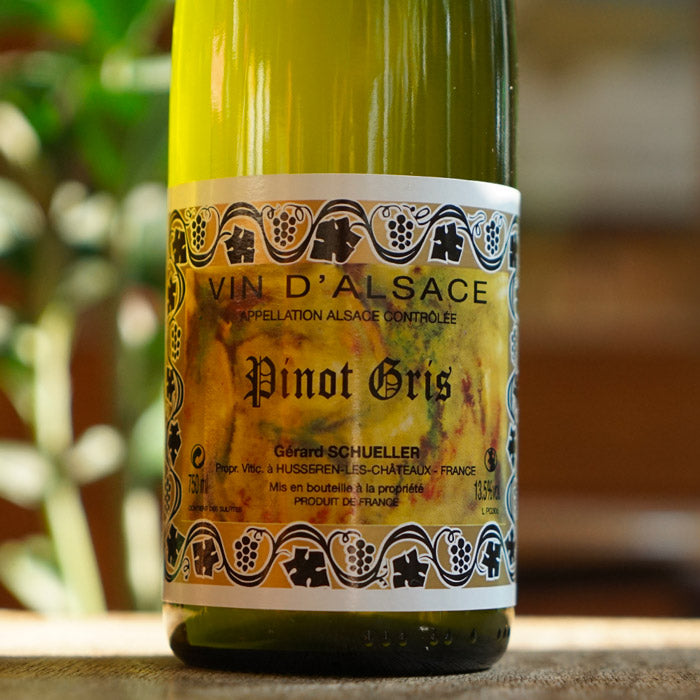
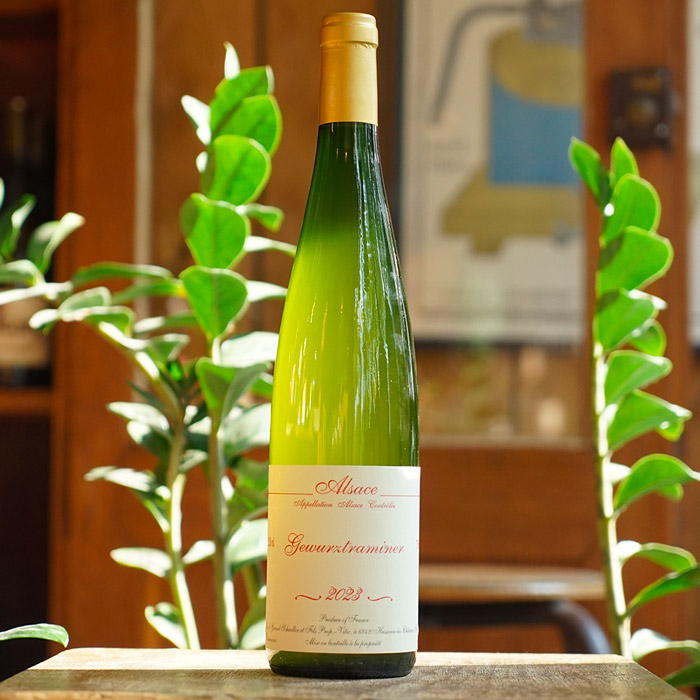
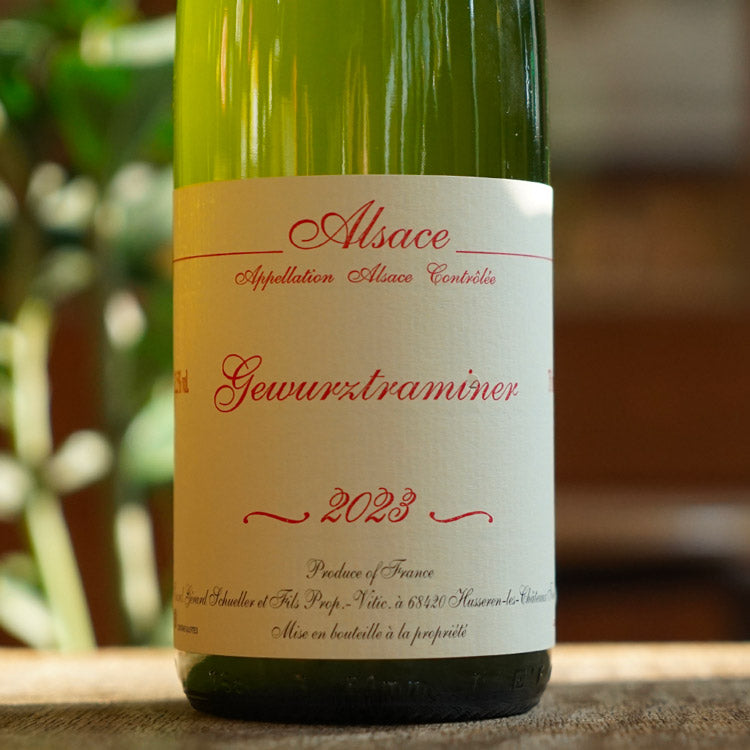
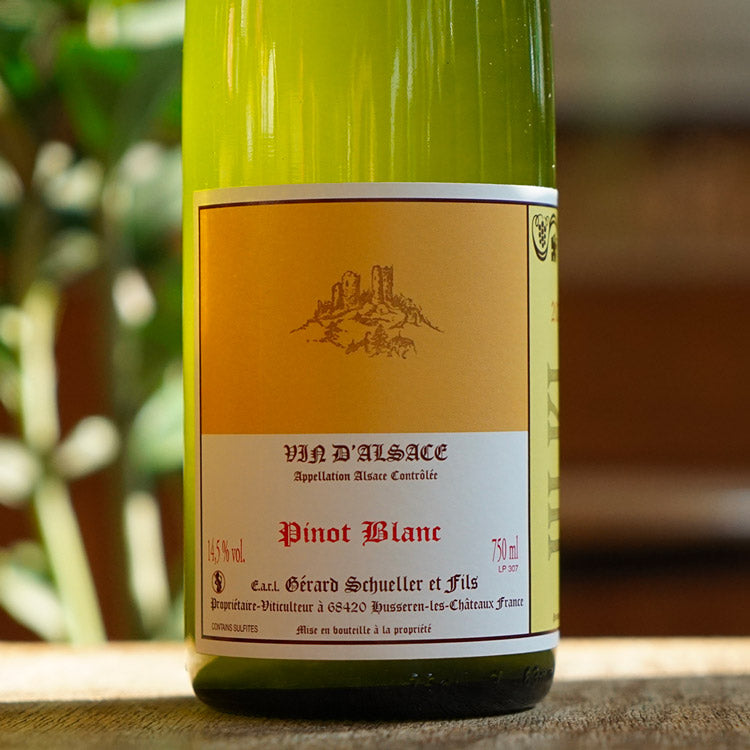
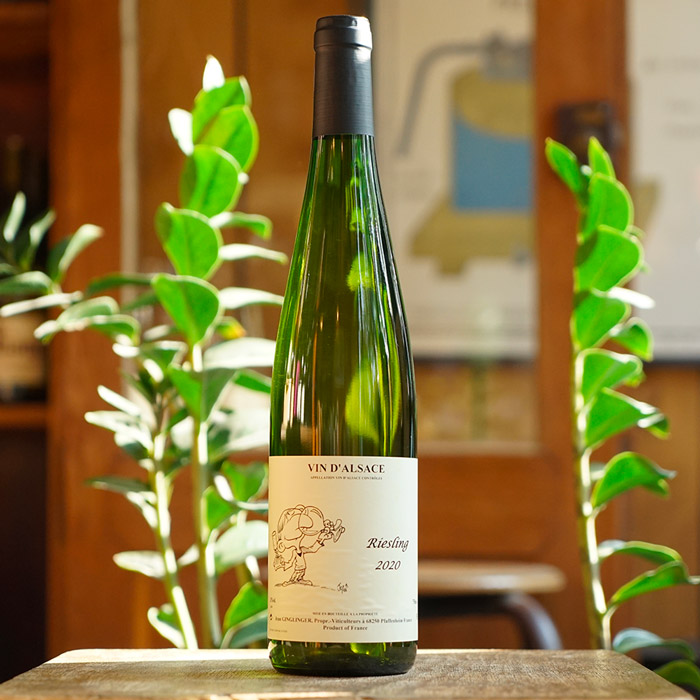
Seven grape varieties make up the identity of Alsatian wines: Muscat , Sylvaner , Pinot Blanc , Pinot Gris , Pinot Noir , Riesling and Gewurtztraminer . All planted in a vineyard 120 km long and a few kilometers wide, on the slopes of the Vosges hills and divided into more than 51 Grand Cru Terroirs . Here, production is divided as follows: 90% white wines and 10% red and rosé wines.
A continental climate favorable to viticulture
The summers are hot and the winters cold: the Vosges barrier protects the vineyard from oceanic influences and its precipitation, which therefore allows the grapes a fair balance for maturation between freshness and aromatic complexity.
A mosaic of Alsatian terroirs
From a geological point of view, Alsace benefits from a true mosaic of terroirs:
A remarkable diversity of soils
Limestone , marl , granite and clay mix with shale , sandstone and volcanic soils . Not forgetting the alluvial soils in the plains, which explains the great complexity of this vineyard.
The Grands Crus of Alsace
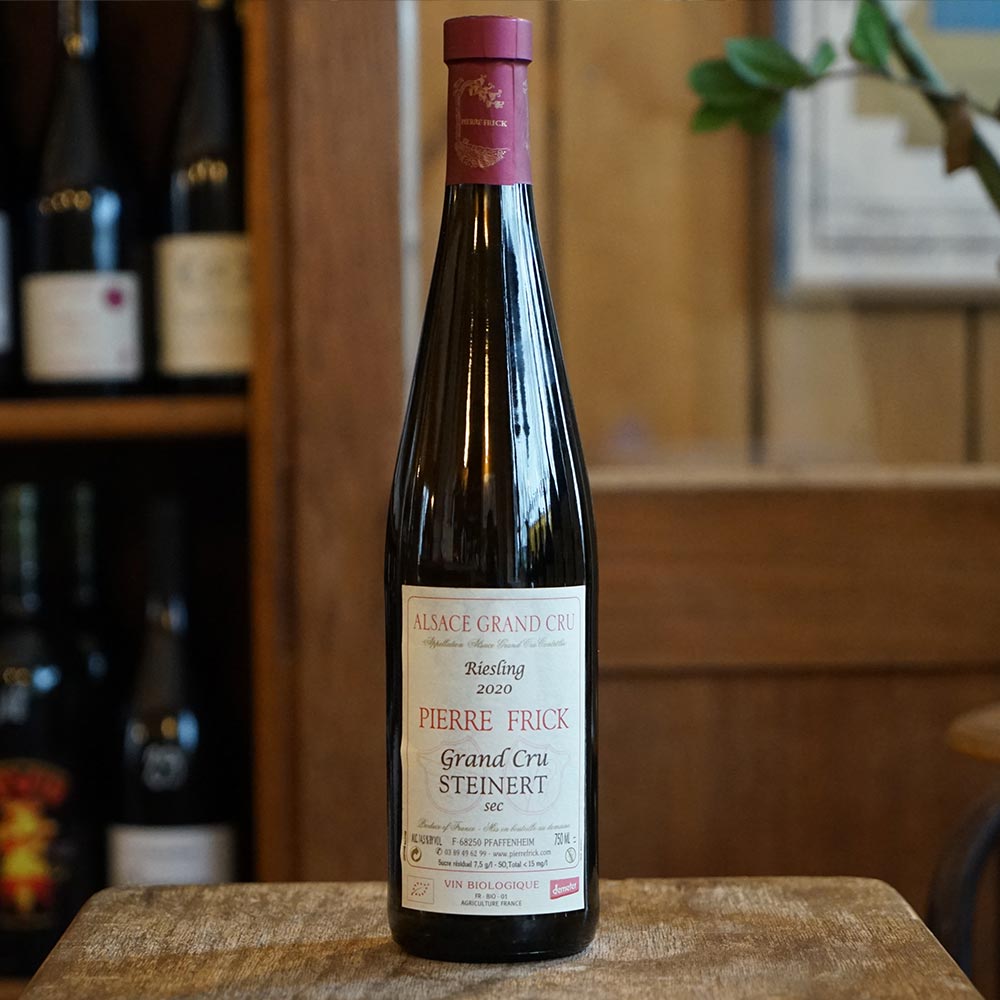
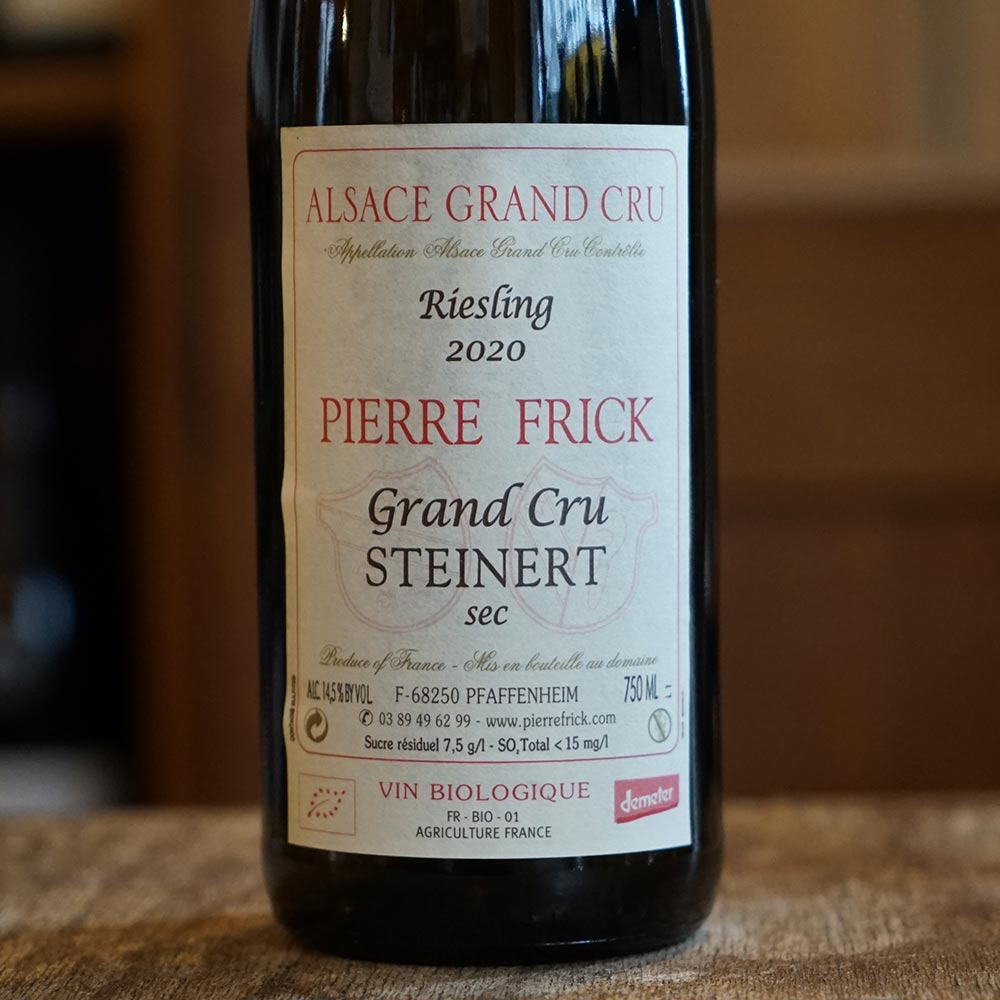
This geological wealth particularly justifies the large number of Alsatian terroirs raised to the rank of Grand Cru.
A pioneering region for natural wine in France
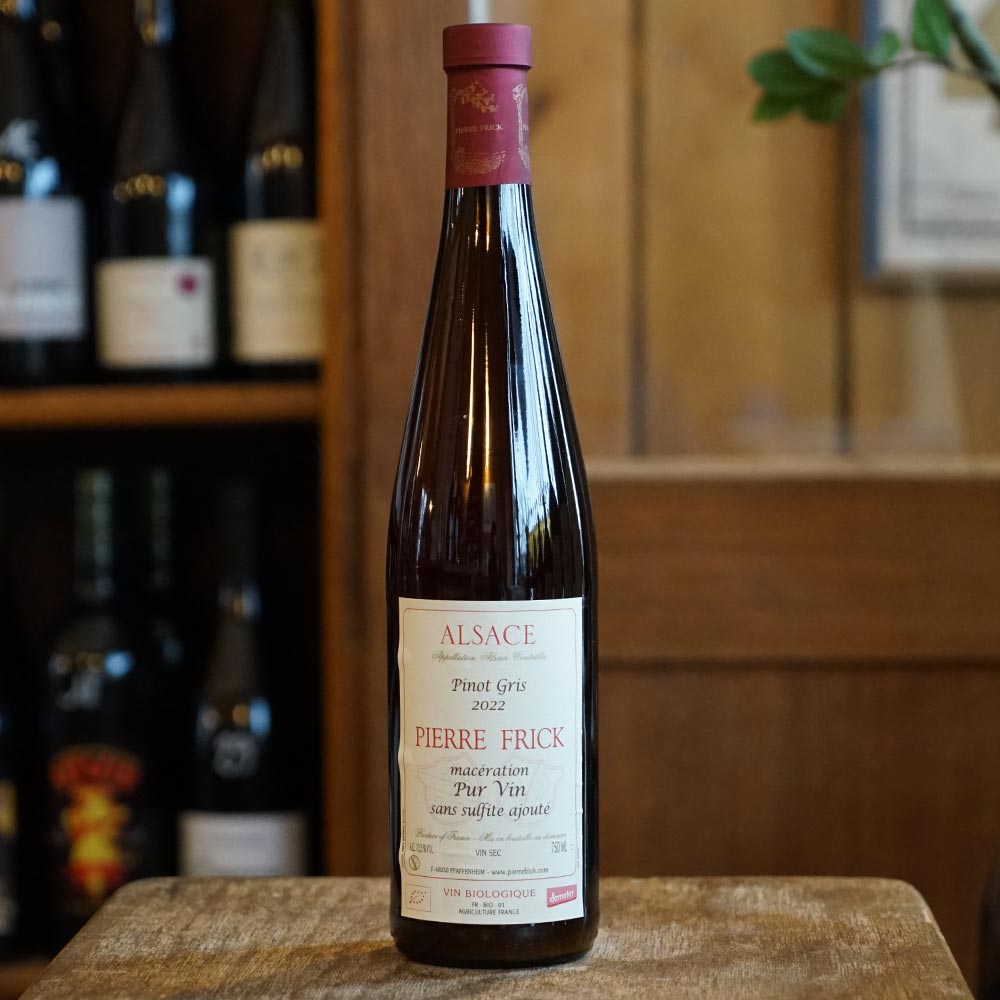
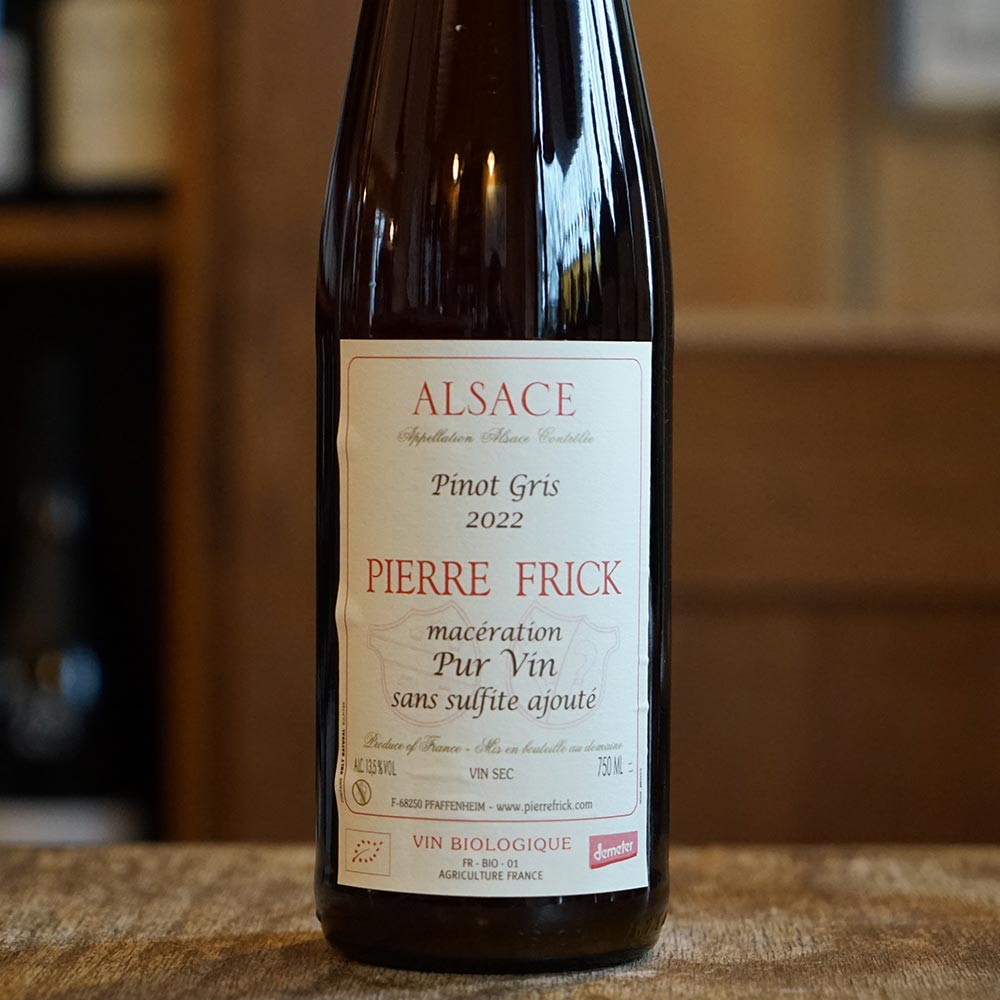
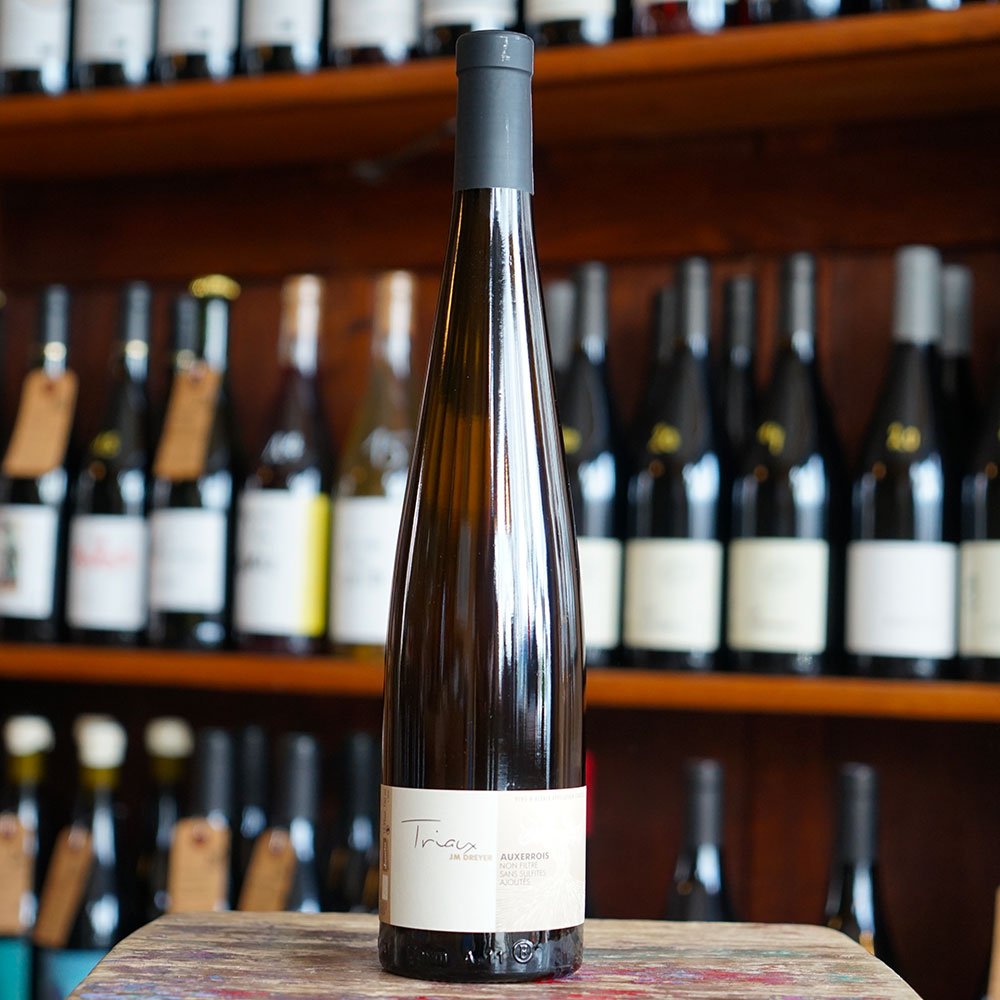
The most virtuous vineyard in France with more than a third of its surface area cultivated using organic, biodynamic or conversion farming, Alsace is experiencing a revival and is constantly evolving in these appellations as well as in the new generation of winegrowers who decide to work their wines without additives.
A new generation of committed winegrowers
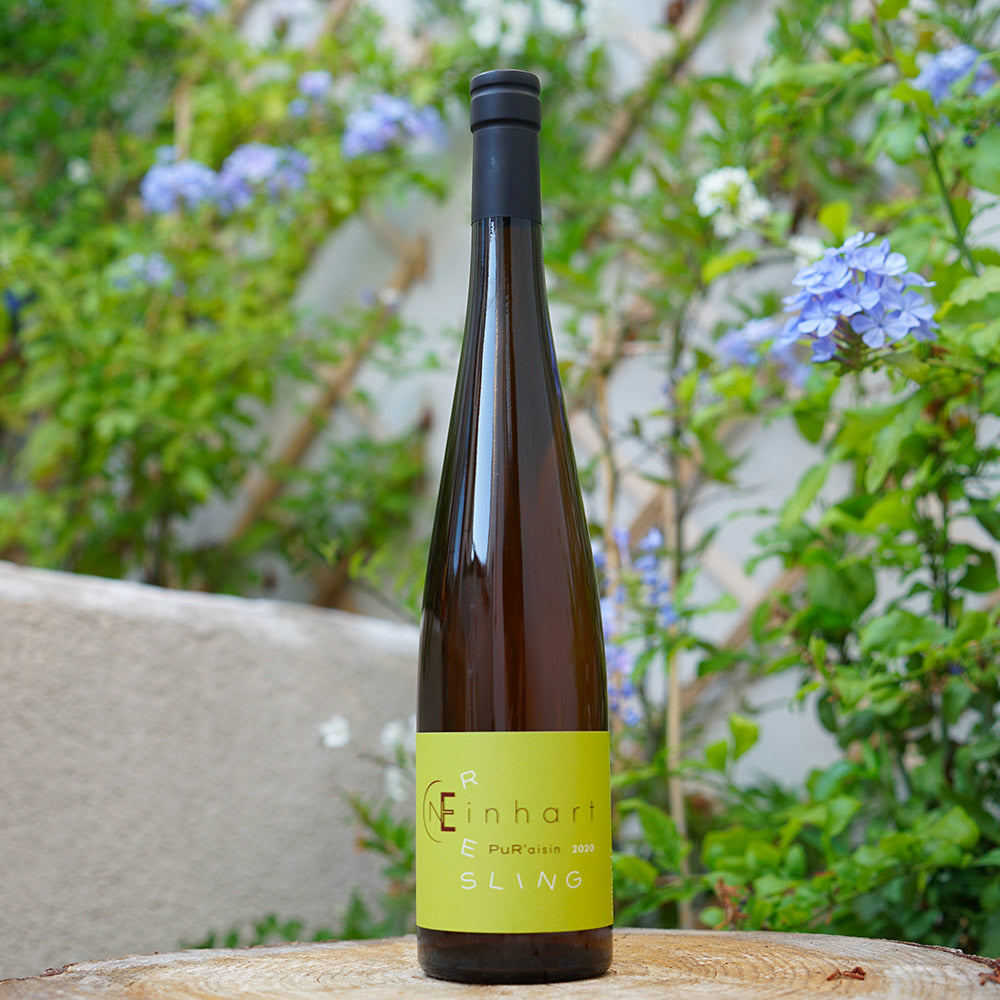
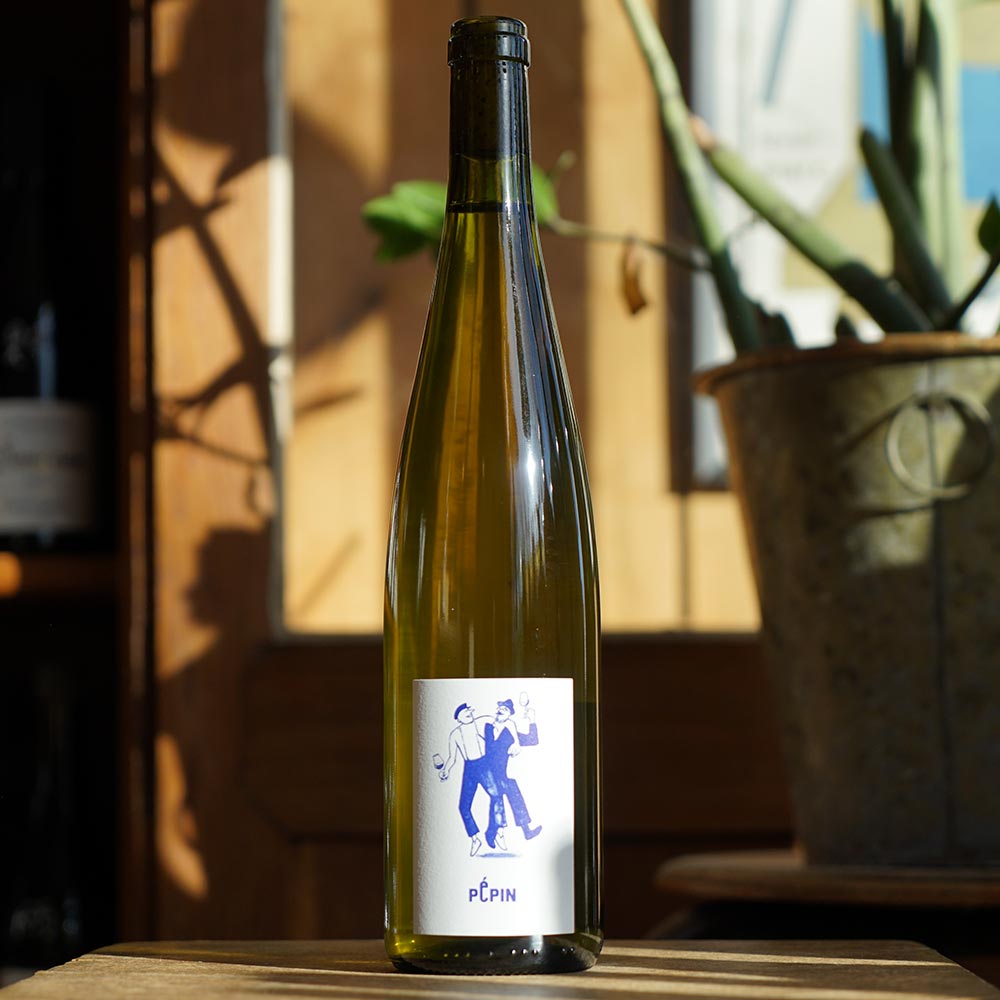
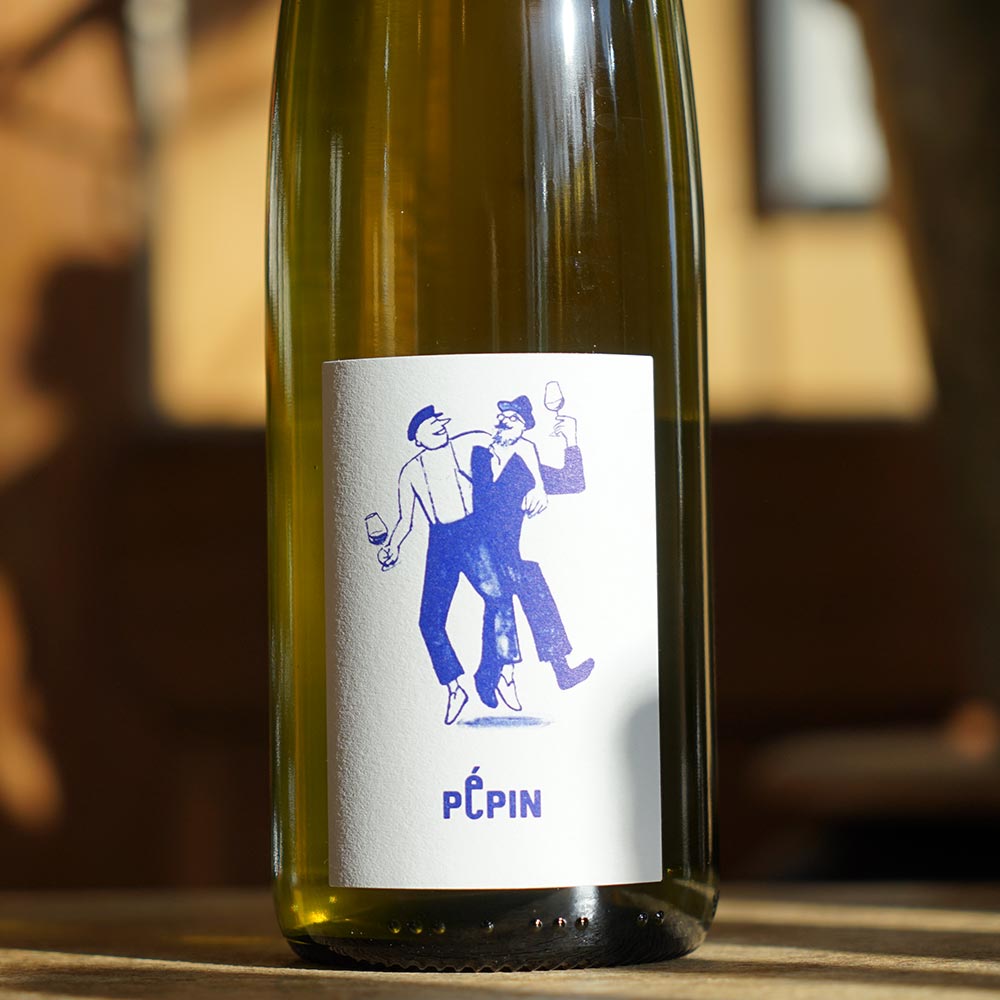
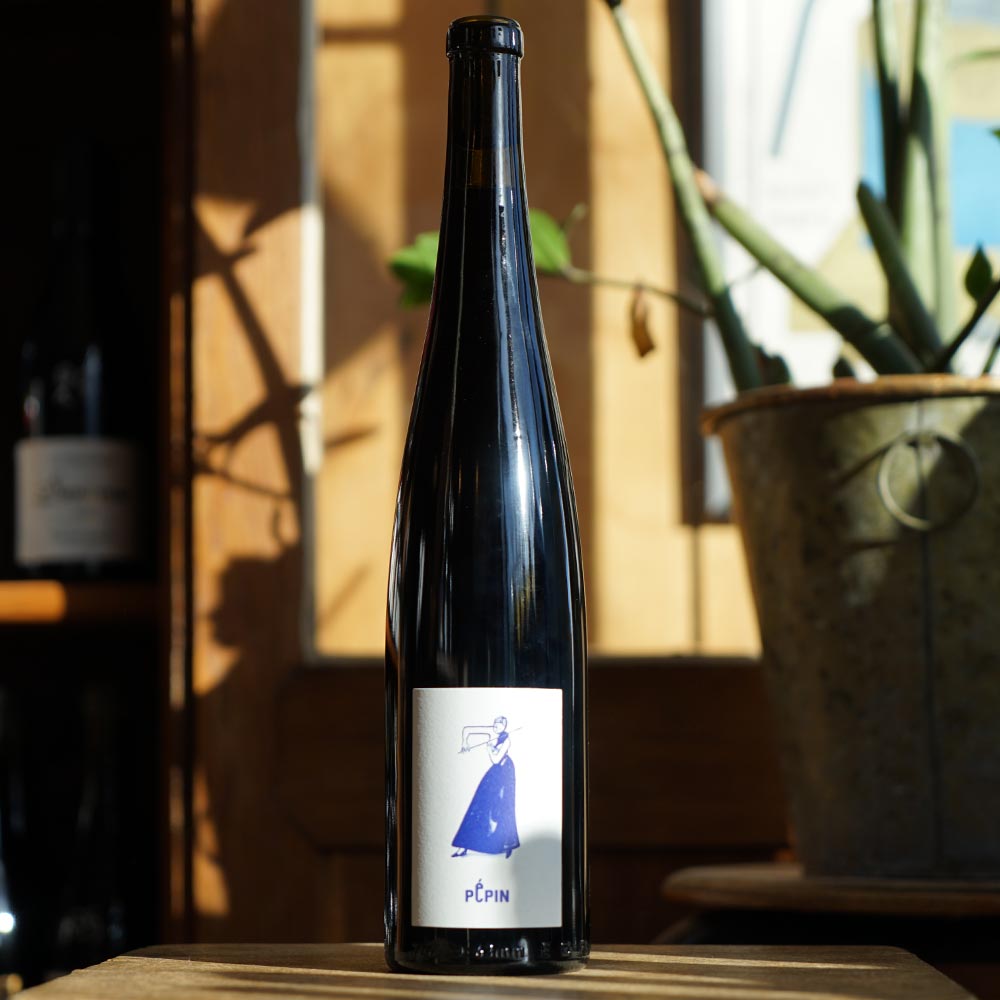
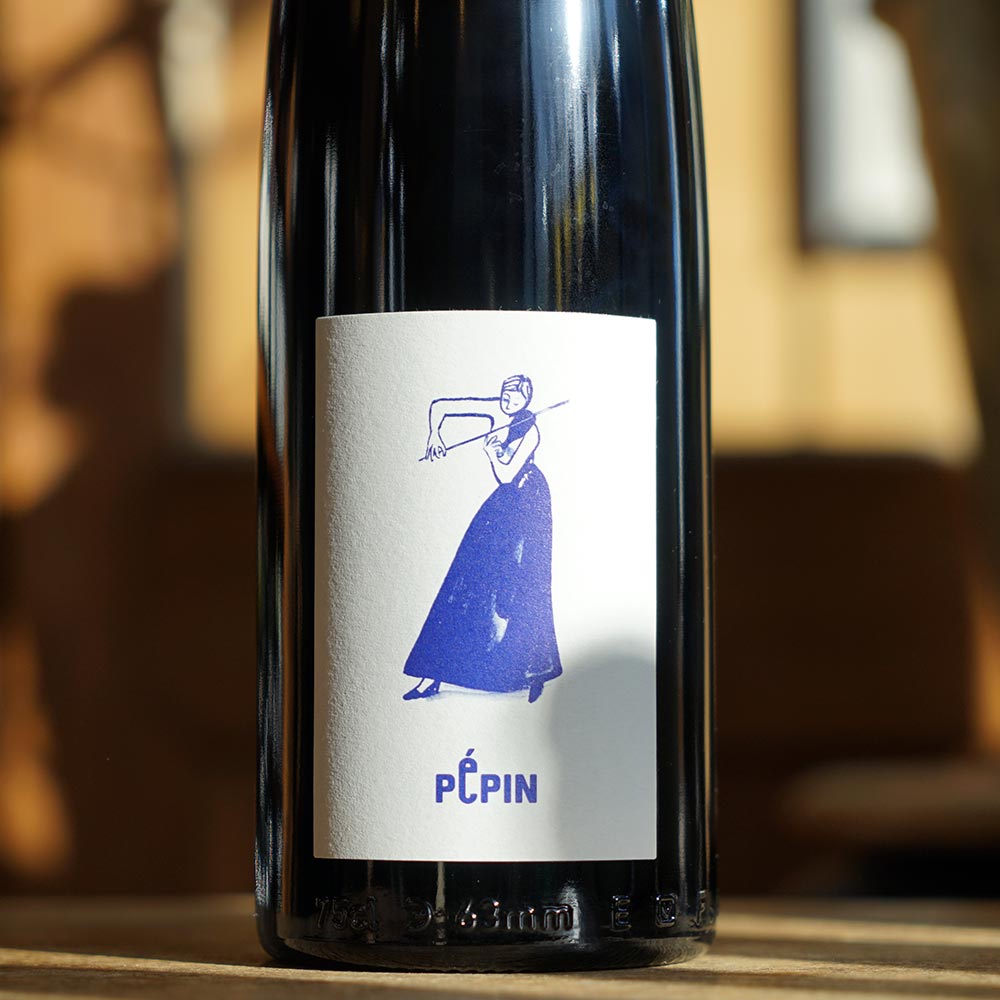
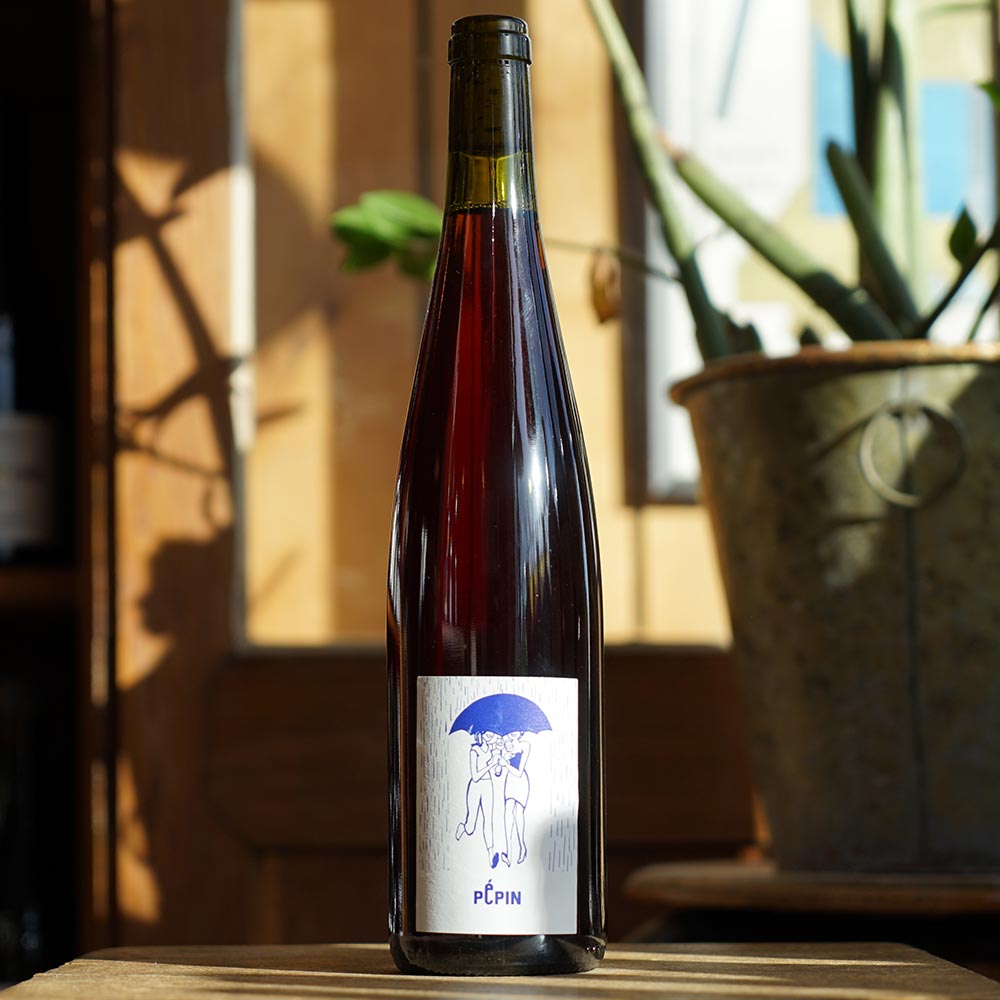
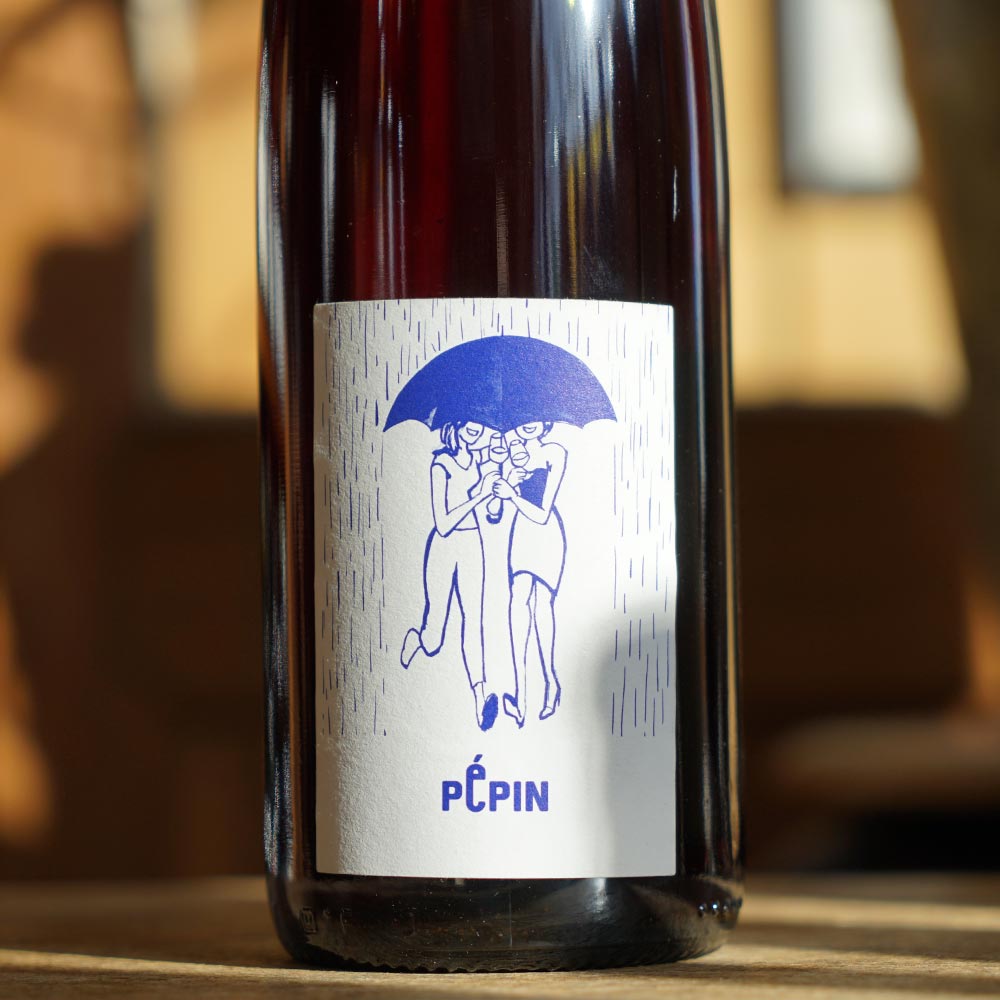
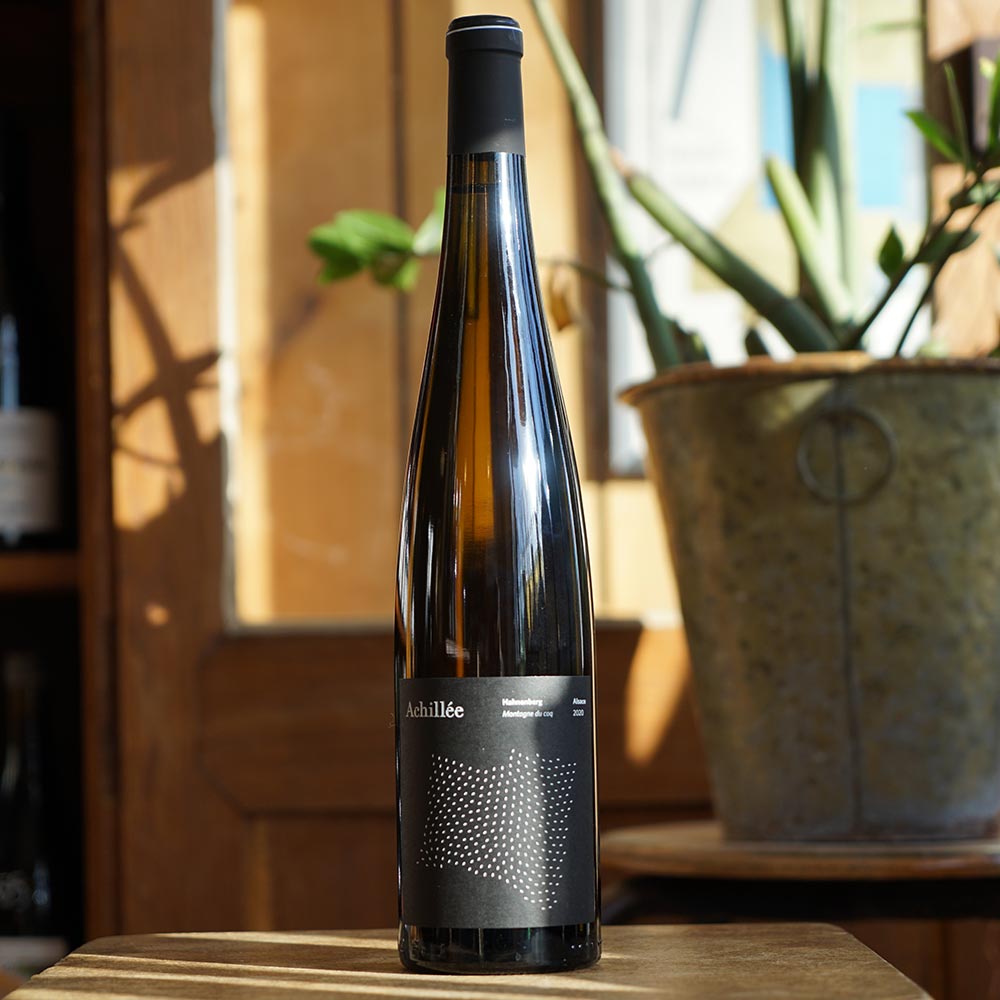
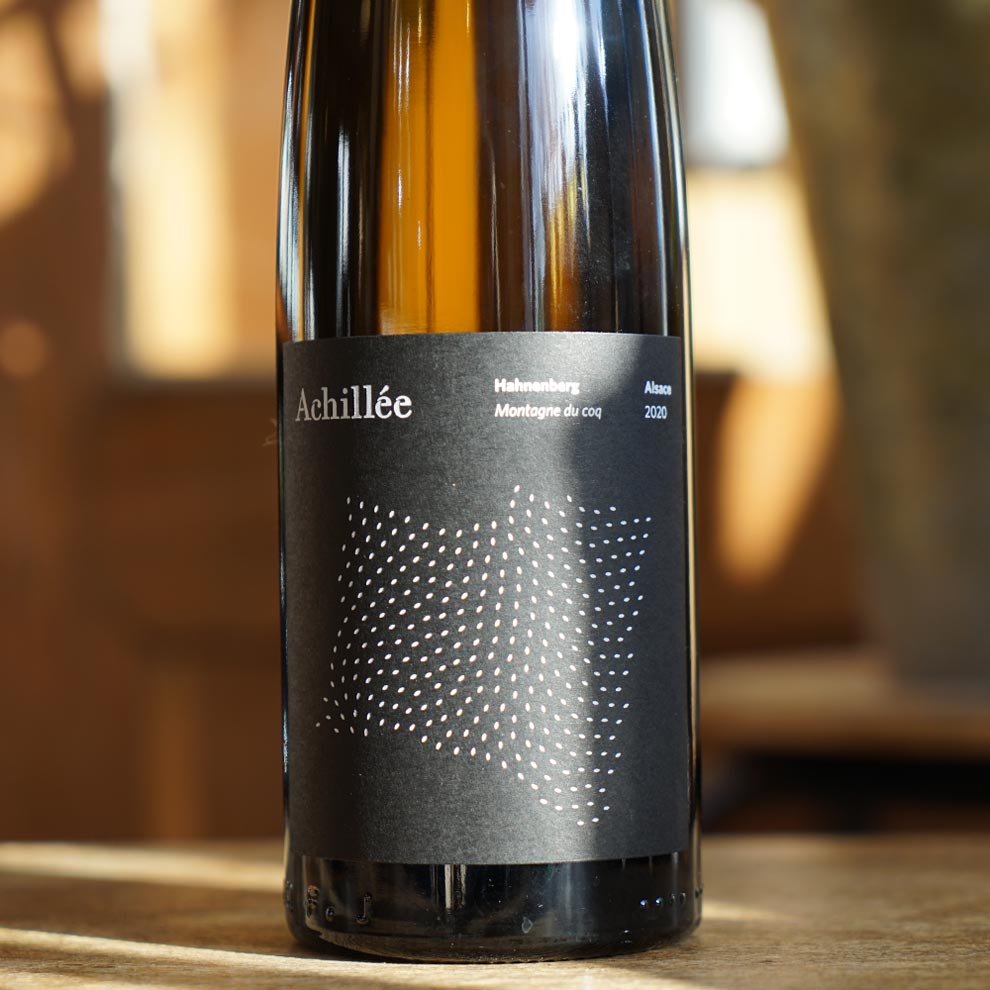
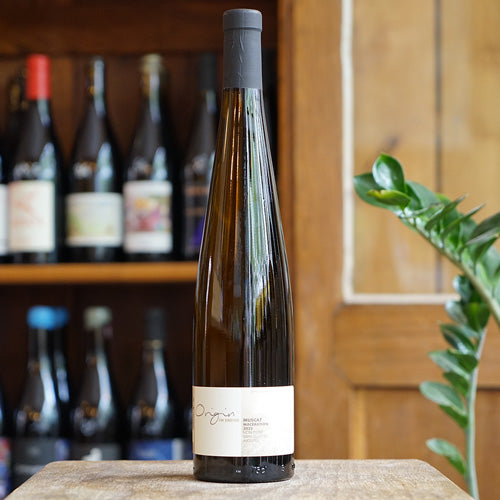
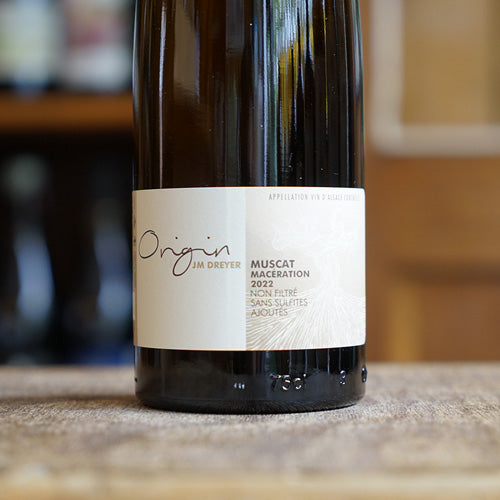
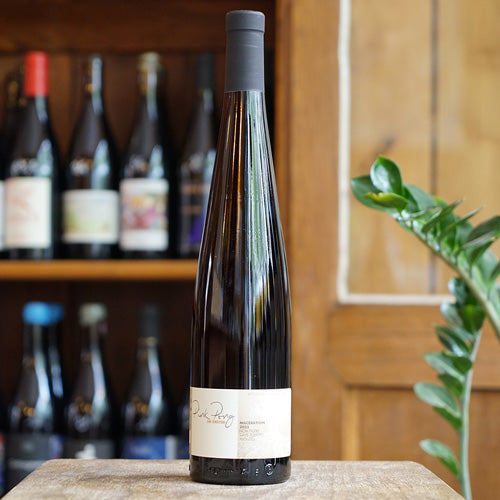
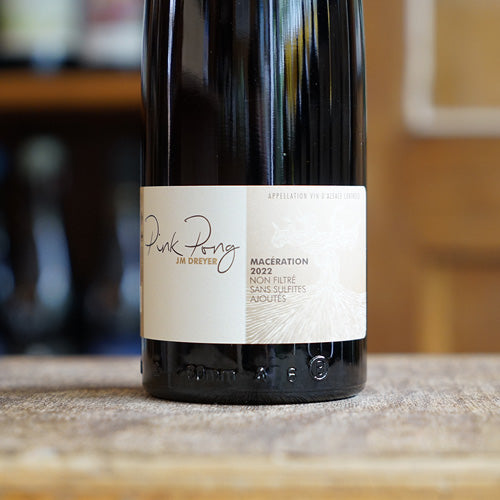
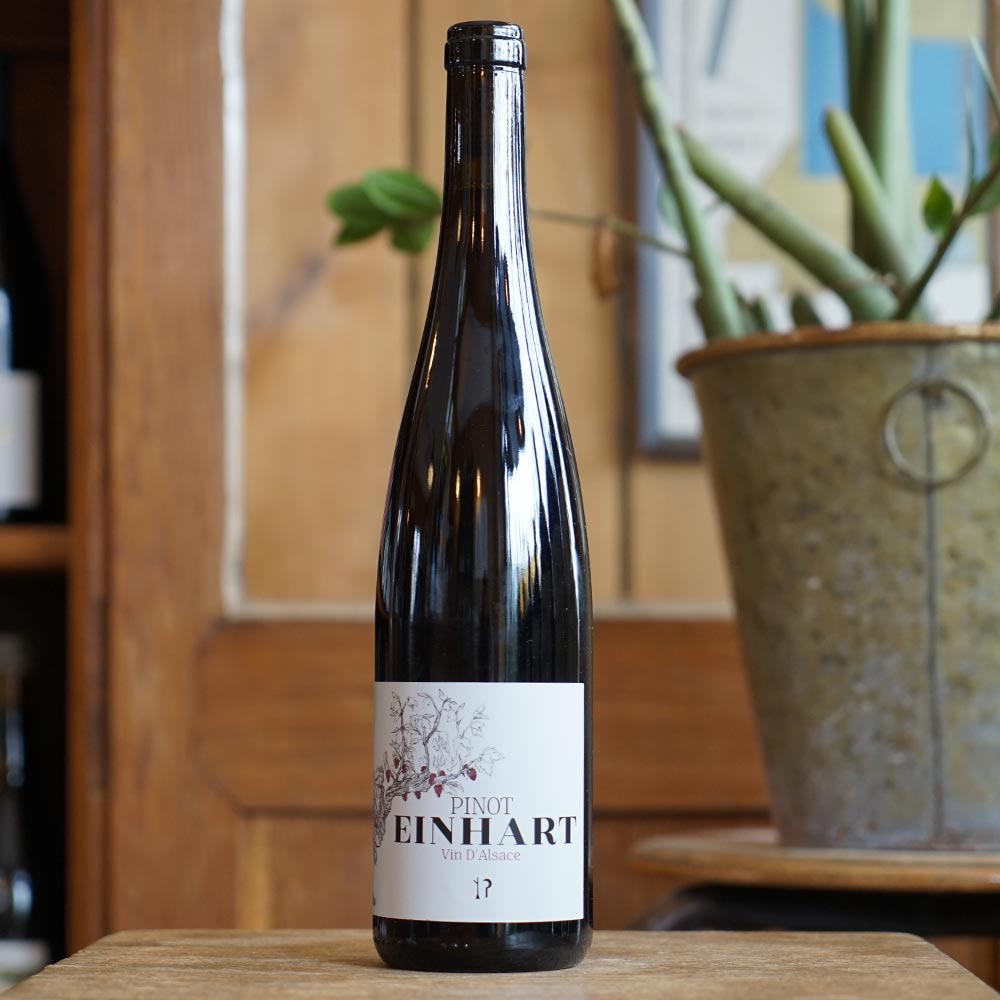
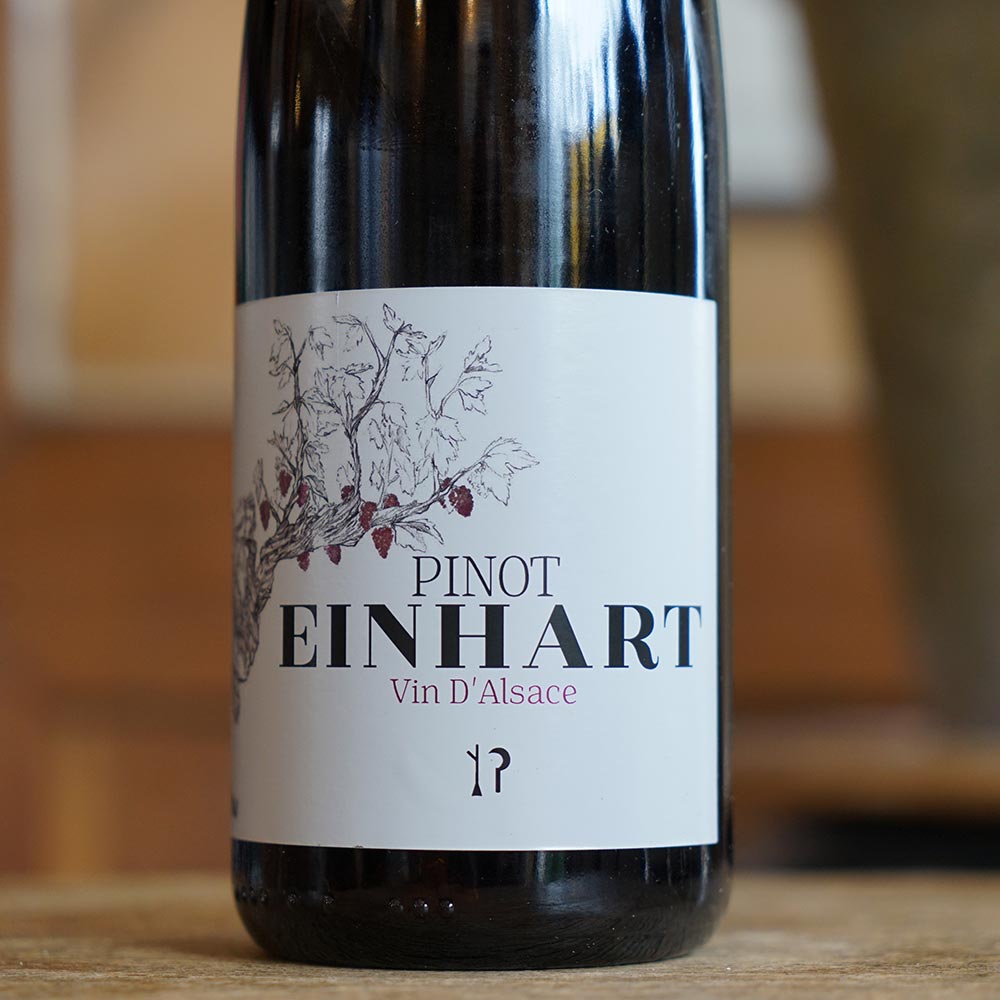
This young generation does not hesitate to explore new ways of working its grapes, for example with macerated white wines as shown by Domaine Einhart and its magnificent “ Muscana ” vintage: orange Muscat wines or the Collectif Pépin with their “ Pépin Orange ”, a collective of young winemakers of natural wines set up under the aegis of the Dietrich brothers of Domaine Achillée .
New names to follow in Alsatian living wine
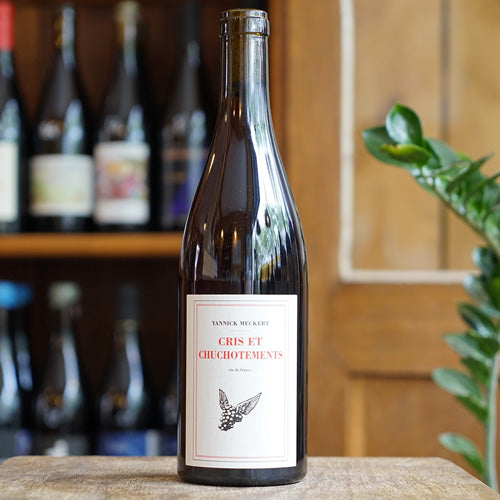
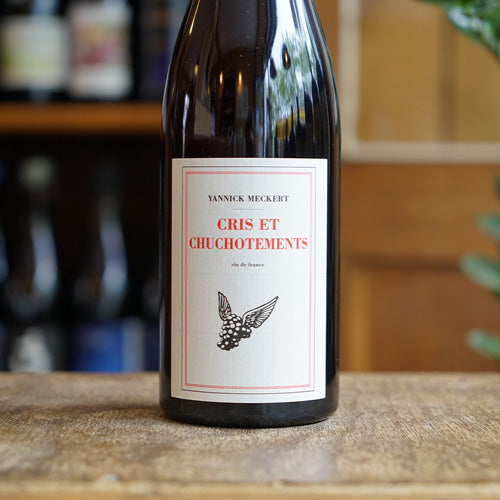
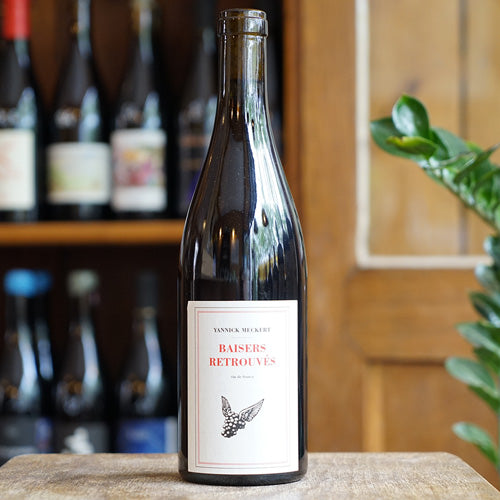
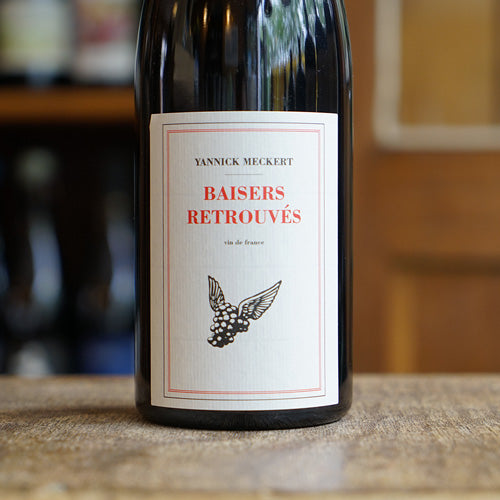
Newcomers to the world of additive-free wine are also beginning to make a name for themselves in this vineyard, such as Yannick Meckert , who, greatly inspired by the work and philosophy of Jules Chauvet (a Beaujolais winemaker and oenologist who was one of the first to theorize and write about sulfite-free winemaking), seeks to work as closely as possible to the purity of the grape. Or François and Justine Petit-Boxler, who divide their time between their plots in Alsace and those in Champagne...